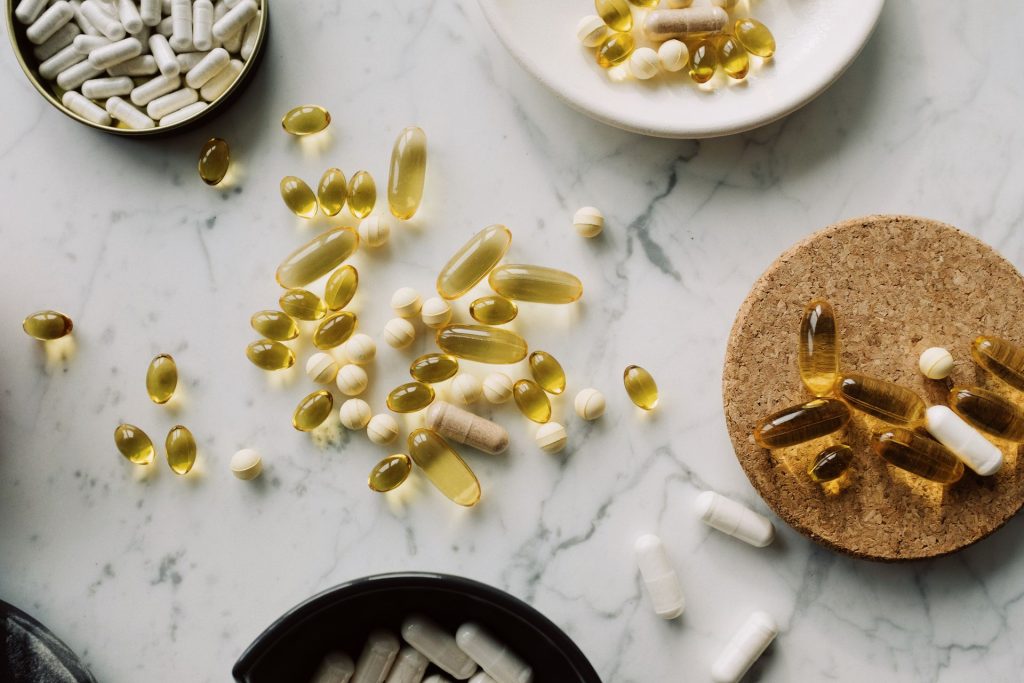

Chronic inflammation is one of the most common — and most overlooked — drivers of poor health. Unlike the short-term inflammation your body uses to heal a wound or fight an infection, chronic inflammation lingers silently in the background, gradually affecting your energy, skin, weight, mood, and long-term disease risk. The good news? One of the most effective tools for fighting it is already in your kitchen. Anti-inflammatory foods can significantly reduce inflammation markers in the body — and making the right dietary choices is one of the simplest ways to start protecting your health today.
In this guide, you’ll learn exactly which foods to prioritize, which ones to avoid, and how to build a daily eating pattern that works with your body — not against it.
What Is Chronic Inflammation, and Why Does It Matter?
Inflammation is your immune system’s natural defense response. When it’s working correctly, it’s a good thing — it’s how your body heals injuries and fights off pathogens. But when inflammation becomes chronic (ongoing, low-grade, and systemic), it stops being protective and starts causing damage.
Chronic inflammation has been linked to a wide range of serious health conditions, including:
- Heart disease and high blood pressure
- Type 2 diabetes and insulin resistance
- Autoimmune conditions (e.g., rheumatoid arthritis, lupus)
- Obesity and metabolic syndrome
- Skin conditions like acne, eczema, and psoriasis
- Depression, anxiety, and cognitive decline
- Certain cancers
What triggers it? A combination of factors — chronic stress, poor sleep, sedentary lifestyle, environmental toxins, and most significantly, diet. Processed foods, refined sugars, seed oils, and alcohol are among the top dietary drivers of systemic inflammation.
The flip side? The right foods can actively cool that inflammatory response down.
9 Essential Anti-Inflammatory Foods to Add to Your Diet
1. Fatty Fish (Salmon, Mackerel, Sardines)
Fatty fish are among the richest dietary sources of omega-3 fatty acids — specifically EPA (eicosapentaenoic acid) and DHA (docosahexaenoic acid). These long-chain fatty acids are directly incorporated into cell membranes and help regulate the production of pro-inflammatory compounds called eicosanoids.
Multiple large-scale studies have found that regular consumption of fatty fish is associated with lower levels of C-reactive protein (CRP) and interleukin-6 (IL-6), two of the most well-established markers of systemic inflammation.
How to use it: Aim for 2–3 servings per week. Bake, grill, or pan-sear for best results — avoid deep frying, which introduces inflammatory oxidized oils.
2. Leafy Green Vegetables (Spinach, Kale, Swiss Chard)
Dark leafy greens are nutritional powerhouses loaded with:
- Vitamin K — plays a role in regulating inflammatory pathways
- Magnesium — deficiency is directly linked to elevated inflammation
- Antioxidants (lutein, zeaxanthin, beta-carotene) — neutralize free radicals before they can trigger an inflammatory response
- Folate — supports methylation, a process critical for immune regulation
Leafy greens are also high in fiber, which feeds beneficial gut bacteria and supports the gut-immune axis — a key mediator of systemic inflammation.
How to use it: Add a handful to smoothies, sauté with olive oil and garlic, or build salads around them daily.
3. Berries (Blueberries, Strawberries, Raspberries, Blackberries)
Berries are among the most antioxidant-dense foods on the planet, rich in a class of plant pigments called anthocyanins. These compounds have been shown to inhibit inflammatory enzymes (COX-1 and COX-2) — the same pathways targeted by common anti-inflammatory medications like ibuprofen.
Blueberries in particular have been studied for their effect on brain inflammation and cognitive protection, while strawberries have shown measurable reductions in CRP levels in clinical trials.
How to use it: A daily cup of mixed berries — fresh or frozen — is one of the easiest and most impactful dietary changes you can make.
4. Extra Virgin Olive Oil
Extra virgin olive oil (EVOO) is the cornerstone of the Mediterranean diet — the most researched anti-inflammatory dietary pattern in the world. Its primary bioactive compound, oleocanthal, has been shown to inhibit the same inflammatory enzymes (COX-1 and COX-2) as ibuprofen, earning it the nickname “nature’s ibuprofen.”
EVOO is also rich in oleic acid and polyphenols, which protect against oxidative stress and support cardiovascular health.
How to use it: Use as your primary cooking oil for low-to-medium heat cooking. Drizzle generously over salads, roasted vegetables, and whole grains. Always choose cold-pressed, high-quality EVOO for maximum polyphenol content.
5. Turmeric
Turmeric’s active compound, curcumin, is one of the most studied natural anti-inflammatory agents in the world. It works by inhibiting NF-kB, a key molecular pathway that controls the expression of pro-inflammatory genes.
Research has shown curcumin to be effective in reducing inflammation associated with arthritis, metabolic syndrome, inflammatory bowel conditions, and even neuroinflammation. The caveat: curcumin is poorly absorbed on its own. Combining it with black pepper (piperine) increases absorption by up to 2,000%.
How to use it: Add to curries, soups, golden milk lattes, or scrambled eggs. Look for supplements that include piperine for therapeutic-level support.
6. Ginger
Ginger contains potent bioactive compounds — primarily gingerols and shogaols — that have demonstrated anti-inflammatory and antioxidant effects in both human and animal studies. It’s particularly well-studied for reducing inflammation in the joints, gut, and cardiovascular system.
Ginger also supports digestive health by reducing nausea, improving gastric motility, and helping to ease gut inflammation — making it especially useful for those dealing with inflammatory bowel symptoms or post-meal discomfort.
How to use it: Steep fresh ginger in hot water for tea, add grated ginger to stir-fries and dressings, or blend into smoothies with lemon and turmeric.
7. Nuts and Seeds (Walnuts, Almonds, Flaxseeds, Chia Seeds
Nuts and seeds offer a trio of anti-inflammatory benefits:
- Healthy fats (particularly ALA omega-3s in walnuts, flax, and chia) that reduce inflammatory signaling
- Vitamin E — a fat-soluble antioxidant that protects cell membranes from oxidative damage
- Fiber — feeds anti-inflammatory gut bacteria and supports a healthy microbiome
Walnuts are especially notable — they have the highest omega-3 content of any nut, and regular consumption has been linked to lower CRP levels and improved vascular health.
How to use it: A small handful of mixed nuts daily, flaxseed ground into oatmeal or smoothies, and chia seeds stirred into yogurt or pudding.
8. Green Tea
Green tea is rich in EGCG (epigallocatechin gallate), a catechin antioxidant that has been shown to suppress pro-inflammatory cytokines and reduce oxidative stress at the cellular level. It’s also been studied for its role in supporting metabolic health, reducing visceral fat, and protecting against neurodegeneration.
Unlike coffee, green tea contains L-theanine — an amino acid that promotes calm, focused alertness without the cortisol spike that can accompany high caffeine intake. Since elevated cortisol is itself a driver of inflammation, this makes green tea a particularly smart choice for the stress-inflammation connection.
How to use it: 2–4 cups daily for meaningful benefit. Matcha (powdered green tea) delivers higher concentrations of EGCG per serving.
9. Garlic and Onions
Both garlic and onions belong to the allium family and contain organosulfur compounds — particularly allicin in garlic and quercetin in onions — that directly modulate inflammatory pathways.
Garlic has been shown to reduce levels of TNF-alpha and IL-6 (key inflammatory cytokines), while quercetin in onions inhibits histamine release and has antihistamine-like properties that can help calm inflammatory immune reactions.
How to use it: Use liberally in everyday cooking. Let crushed garlic sit for 10 minutes before cooking — this activates more allicin. Eat raw onions in salads and salsas for maximum quercetin content.
Foods to Avoid That Drive Chronic Inflammation
Eating anti-inflammatory foods is only half the equation. These are the most common dietary triggers of chronic inflammation that you should minimize or eliminate:
| Inflammatory Food | Why It’s a Problem |
|---|---|
| Refined sugar and high-fructose corn syrup | Spikes blood glucose, promotes AGE formation, activates inflammatory pathways |
| Refined carbohydrates (white bread, pasta) | Rapid blood sugar spikes, feeds inflammatory gut bacteria |
| Industrial seed oils (canola, soybean, corn) | High in omega-6 fatty acids, disrupts omega-3/6 balance |
| Ultra-processed foods | Contain additives, preservatives, and trans fats that trigger inflammation |
| Alcohol (excess) | Damages gut lining, promotes leaky gut and systemic immune activation |
| Trans fats (partially hydrogenated oils) | Directly elevate CRP and other inflammatory markers |
Building Your Anti-Inflammatory Plate
You don’t need a complicated meal plan to start eating in an anti-inflammatory way. A simple framework:
- ½ your plate: colorful vegetables (leafy greens, cruciferous veggies, bell peppers)
- ¼ your plate: quality protein (fatty fish, legumes, pasture-raised poultry)
- ¼ your plate: whole grains or starchy vegetables (quinoa, sweet potato, brown rice)
- Healthy fat: olive oil drizzle, avocado, or a small handful of nuts
- Flavor with: turmeric, ginger, garlic, herbs
Follow this pattern consistently and you’ll be addressing inflammation at every meal — without tracking macros or following a rigid diet.
Supporting Inflammation Reduction Beyond Die
Diet is foundational, but it works best as part of a broader wellness approach. If you’re dealing with persistent inflammation-related symptoms — chronic fatigue, stubborn weight, skin flares, joint discomfort — targeted clinical support may also be worth exploring.
At our virtual wellness clinic, we offer several therapies that complement an anti-inflammatory lifestyle:
- Glutathione — the body’s master antioxidant, depleted by chronic inflammation and oxidative stress. IV or injectable Glutathione helps replenish levels that diet alone can’t always restore.
- NAD+ Therapy — supports mitochondrial health and cellular energy, both of which are compromised by chronic inflammation. NAD+ plays a direct role in regulating inflammatory gene expression.
- BPC-157 — a research peptide studied for its ability to reduce gut inflammation, accelerate tissue healing, and support systemic recovery from inflammatory conditions.
Combining a whole-food anti-inflammatory diet with targeted wellness support can produce results that neither approach achieves alone.
Frequently Asked Questions
How long does it take for an anti-inflammatory diet to work? Most people notice meaningful improvements in energy, digestion, and skin within 2–4 weeks of consistently following an anti-inflammatory eating pattern. Measurable reductions in inflammatory markers (like CRP) have been observed in clinical studies within 6–8 weeks.
Is an anti-inflammatory diet the same as the Mediterranean diet? They overlap significantly. The Mediterranean diet is one of the best-studied anti-inflammatory dietary patterns in the world. An anti-inflammatory diet is a broader concept, but the Mediterranean diet is an excellent framework to follow.
Can supplements replace anti-inflammatory foods? No — whole foods provide a complex matrix of fiber, phytonutrients, and compounds that supplements can’t fully replicate. That said, certain supplements (omega-3s, curcumin with piperine, Vitamin D, magnesium) can meaningfully support an already solid dietary foundation.
Does chronic inflammation cause weight gain? Yes — and it’s a two-way relationship. Adipose (fat) tissue, especially visceral fat, actively produces inflammatory cytokines, creating a cycle where inflammation drives fat gain and fat gain drives more inflammation. Breaking this cycle often requires addressing both diet and metabolic health simultaneously.
What’s the best first step if I want to reduce inflammation? Eliminate the biggest dietary offenders first — refined sugar, seed oils, and ultra-processed foods. Then add in the 9 anti-inflammatory foods listed above. Small, consistent changes compound significantly over time.
Final Thoughts
Reducing chronic inflammation doesn’t require an extreme diet overhaul. It starts with understanding which foods are working for your body and which ones are working against it. By consistently prioritizing anti-inflammatory foods — fatty fish, leafy greens, berries, olive oil, turmeric, ginger, nuts, green tea, and garlic — you give your body the raw materials it needs to regulate its own immune response, protect your cells, and support long-term health.
Food is one of the most accessible, evidence-based levers you have for improving how you feel. Start with one meal, one swap, one habit — and build from there.
Want personalized support for inflammation-related symptoms? Fill out our intake form to explore products that are suitable with your health.