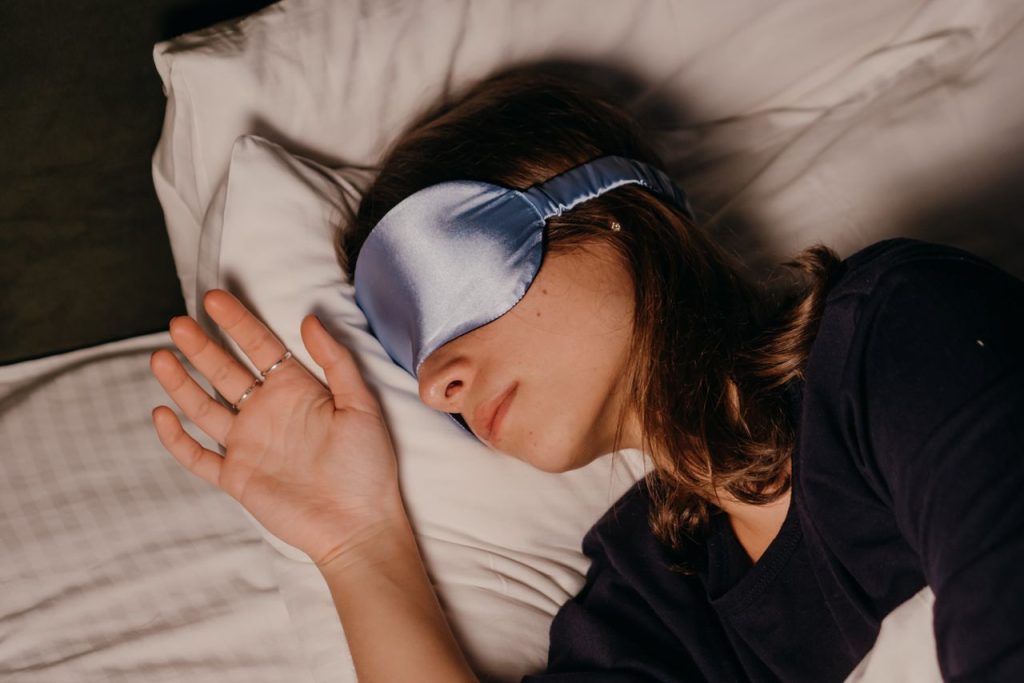

We live in a culture that quietly rewards exhaustion. Pushing through, staying busy, and putting everyone else first are often treated as virtues — while rest, recovery, and prioritizing your own needs get labeled as indulgent or selfish. But here’s what the science actually says: self-care isn’t a luxury or a personality trait. It’s a biological necessity, and neglecting it has very real, measurable consequences for your health, your performance, and the people around you.
In this guide, we’ll look at seven compelling, biology-backed reasons why rest and recovery are not optional extras — and what genuine self-care actually looks like beyond bubble baths and face masks.
What Does Self-Care Actually Mean?
Self-care gets reduced to aesthetics a lot — skincare routines, spa days, and scented candles. And while those things can be genuinely restorative, real self-care goes much deeper. It refers to the intentional practices that maintain and restore your physical, mental, and emotional functioning at a biological level.
True self-care includes:
- Getting sufficient, quality sleep
- Managing stress before it becomes chronic
- Eating in a way that supports your energy and hormone balance
- Moving your body consistently
- Protecting time for mental and emotional recovery
- Seeking support — medical, psychological, or social — when you need it
These aren’t indulgences. They’re the inputs your body requires to function optimally.
The Biology of Why Rest and Recovery Matter
Your body doesn’t repair, rebuild, or regenerate while you’re active and stressed. It does all of that during rest. This is not a metaphor — it’s literal physiology.
During rest and deep sleep, your body:
- Releases growth hormone, which drives tissue repair and cellular regeneration
- Clears metabolic waste from the brain through the glymphatic system
- Lowers cortisol and rebalances the hypothalamic-pituitary-adrenal (HPA) axis
- Rebuilds immune cells and cytokine production
- Synthesizes collagen and repairs skin and connective tissue
- Consolidates memories and processes emotional experiences
None of these processes happen efficiently when your body is in a chronic state of stress or sleep deprivation. Skipping rest doesn’t just make you tired — it actively interrupts your body’s most essential repair functions.
7 Compelling Reasons Self-Care Is Biologically Essential
1. Chronic Stress Physically Damages Your Body
Stress isn’t just uncomfortable — it triggers a cascade of physiological responses designed for short-term emergencies. When stress becomes chronic, elevated cortisol suppresses immune function, disrupts digestion, impairs sleep, increases systemic inflammation, and even accelerates cellular aging. Self-care practices that lower stress are not optional add-ons. They’re damage control at the biological level.
2. Rest Is When Your Brain Repairs Itself
Sleep and rest are when the brain’s glymphatic system — a waste clearance network — actively flushes out metabolic byproducts, including proteins associated with cognitive decline. Consistently skipping rest isn’t just tiring. It allows neurotoxic waste to accumulate in the brain over time.
3. Your Immune System Rebuilds During Downtime
Immune cells, particularly natural killer cells and T-cells, are produced and regulated during rest. Chronic sleep deprivation and unmanaged stress both directly suppress immune function, which is why people who are consistently overworked tend to get sick more often and recover more slowly.
4. Skin Repair Happens Overnight
Your skin’s most active repair cycle happens during sleep. Collagen production ramps up, the skin barrier rebuilds, and cellular turnover accelerates — all processes that slow down significantly without adequate rest. Persistent skin issues like dullness, breakouts, or slow healing are often at least partly attributable to inadequate rest rather than the wrong skincare products.
For those wanting to support this overnight repair process more actively, DSIP (Delta Sleep Inducing Peptide) is designed to promote deeper, more restorative sleep — which directly enhances the skin and tissue repair that happens during those sleep stages.
5. Recovery Prevents Hormonal Dysregulation
Chronic stress and sleep deprivation disrupt the delicate balance of hormones that regulate everything from appetite and metabolism to mood and reproductive health. Over time, persistent dysregulation can contribute to weight gain, anxiety, poor libido, and metabolic dysfunction — all of which are commonly attributed to lifestyle or genetics, when inadequate recovery is often a primary driver.
6. Mental Performance Requires Rest to Sustain Itself
Cognitive function — memory, focus, decision-making, creativity — degrades measurably with inadequate rest and unmanaged stress. The brain is an energy-intensive organ that requires downtime to consolidate learning, process information, and maintain peak performance. Consistently overriding the need for rest doesn’t just make you feel foggy — it structurally impairs how well your brain works.
7. Self-Care Is What Makes Every Other Healthy Habit Work
Here’s something that often gets overlooked: without adequate rest and recovery, every other wellness effort you make becomes less effective. Exercise gains diminish without recovery. Nutritional interventions work less efficiently under chronic stress. Skincare products absorb and function better in well-rested, lower-cortisol skin. Self-care isn’t separate from your health routine — it’s the foundation that everything else is built on.
What Real Self-Care Looks Like in Practice
Self-care doesn’t have to be elaborate or expensive. The most impactful forms are often the simplest:
- Consistent sleep schedule — going to bed and waking at the same time daily, even on weekends
- Daily stress regulation — even 5 to 10 minutes of breathwork, journaling, or quiet time
- Boundaries around time and energy — saying no to things that consistently drain you without adequate return
- Movement you actually enjoy — not punishing exercise, but movement that feels restorative
- Nourishing meals without guilt — eating in a way that fuels your body consistently
- Seeking support when needed — medical, mental health, or social — without waiting until crisis point
The Self-Care and Skin Connection
It’s worth emphasizing how directly skin health reflects your overall self-care habits. Cortisol breaks down collagen. Sleep deprivation impairs barrier function. Chronic stress triggers inflammation that manifests as breakouts, redness, and dullness.
This is why the most expensive skincare routine in the world will underperform if the foundation of sleep, stress management, and recovery isn’t in place. Topical care works best as a complement to internal and lifestyle care, not a substitute for it.
Frequently Asked Questions
Why is self-care important for mental health? Rest and recovery directly regulate cortisol, support neurotransmitter balance, and allow the brain to process stress and consolidate emotional experiences — all of which are foundational to mental health.
How much rest does the body actually need? Most adults need 7 to 9 hours of sleep nightly for full biological recovery. Beyond sleep, building regular periods of low-stress, low-stimulation downtime into daily life supports ongoing nervous system regulation.
Can too much self-care be a problem? Prioritizing rest and recovery is not the same as avoidance or isolation. Genuine self-care supports engagement with life rather than withdrawal from it.
How does self-care affect skin health? Directly and significantly. Adequate sleep and stress management support collagen production, barrier repair, and reduced inflammation — three of the most important factors in healthy, resilient skin.
The Bottom Line
Self-care is not selfishness dressed up in wellness language. It is a biological requirement for sustained health, cognitive function, immune resilience, hormonal balance, and skin integrity. The body cannot repair, regenerate, or perform at its best without adequate rest and recovery — and no amount of effort in other areas can fully compensate for a chronic deficit in this one.
If you’ve been running on empty and feel like your body isn’t bouncing back the way it should, our team can help you explore options — from sleep support to hormone and peptide therapy — that address recovery at the root biological level. Start by filling out our intake form.