
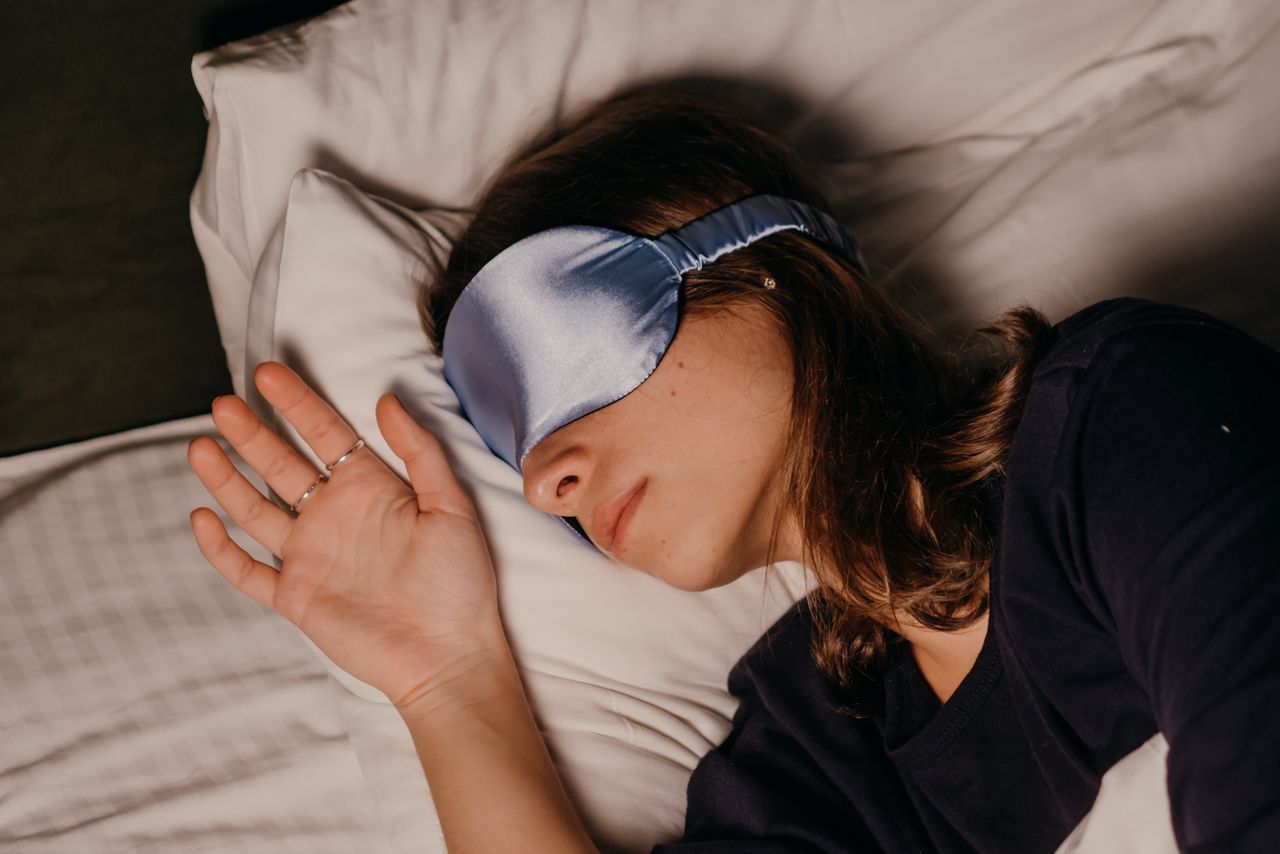
You’ve probably heard endless advice about morning routines, but here’s something that gets far less attention: your evening ritual might matter even more. While you sleep, your body shifts into repair mode — skin cells regenerate, hormones reset, and your nervous system recovers from the day. The problem is, most people unintentionally sabotage this process with habits that work against their body’s natural rhythm.
The good news is that a few intentional changes to your evening routine can transform both how your skin looks and how well you actually sleep. Let’s walk through ten steps that make up a truly restorative evening ritual.
Why Your Evening Ritual Matters More Than You Think
Nighttime isn’t just downtime — it’s when your body does its most important repair work. Growth hormone release peaks during deep sleep, collagen production ramps up, and your skin’s barrier function actively rebuilds itself overnight.
If you’re cutting your sleep short, scrolling on your phone until midnight, or skipping skincare because you’re too tired, you’re missing the window where your body does this repair most efficiently. An intentional evening ritual helps you work with this natural process instead of against it.
1. Set a Consistent Wind-Down Time
Your body thrives on consistency. Going to bed at a wildly different time each night confuses your circadian rhythm and makes it harder to fall asleep, even when you’re exhausted.
- Pick a wind-down time and stick to it, even on weekends
- Start dimming lights and slowing down about 60 minutes before bed
- Consistency trains your body to anticipate sleep, making it easier to fall asleep faster
2. Cleanse Skin Thoroughly Before Bed
Sleeping with makeup, sunscreen, or a full day’s buildup of oil and pollution on your skin clogs pores and interferes with overnight repair.
- Double cleanse if you wear makeup or sunscreen during the day
- Look for a cleanser that removes buildup without stripping your skin barrier
- This step alone can noticeably reduce breakouts and dullness over time
3. Apply Active Ingredients Strategically
Nighttime is the best time to use ingredients like retinol, peptides, or other actives, since your skin is in repair mode and isn’t exposed to sunlight that can cause sensitivity.
- Apply targeted serums after cleansing, while skin is still slightly damp
- This is an ideal time to use repair-focused ingredients like GHK-Cu peptide, which supports collagen production overnight
- Follow with a moisturizer to lock in hydration while you sleep
4. Dim the Lights and Limit Screens
Exposure to bright light and blue light from phones or TVs in the evening suppresses melatonin, the hormone responsible for making you feel sleepy.
- Switch to warm, dim lighting at least an hour before bed
- Put your phone away or switch to night mode if you must use it
- This small shift can significantly improve how quickly you fall asleep
5. Avoid Late, Heavy Meals and Alcohol
Eating a large meal or drinking alcohol close to bedtime forces your body to focus on digestion instead of restorative repair, disrupting deep sleep.
- Try to finish eating at least 2 to 3 hours before bed
- If you’re hungry later, opt for something light, like a small protein-rich snack
- Limiting alcohol, even in small amounts, tends to improve sleep quality significantly
6. Calm Your Nervous System
Going to bed stressed or wired makes it harder to fall asleep and stay asleep, even if you’re physically tired.
- Try a few minutes of deep breathing, light stretching, or journaling
- Magnesium-rich foods or supplements can also support relaxation before bed
- The goal is to shift your body out of “alert” mode and into rest
7. Prioritize Deep, Uninterrupted Sleep
All of the steps above are designed to support one outcome: deeper, more restorative sleep. This is when most of your skin repair and physical recovery actually happens.
- Aim for 7 to 9 hours of consistent, quality sleep
- Keep your bedroom cool, dark, and quiet for optimal sleep depth
- If you consistently struggle with poor sleep quality or high stress levels despite good habits, it may be worth exploring additional support, such as DSIP (Delta Sleep Inducing Peptide), which is designed to promote deeper, more restorative sleep and relaxation for improved recovery
8. Take a Warm Shower or Bath
A warm shower or bath an hour or so before bed does more than just relax you. As your body cools down afterward, it mimics the natural drop in core temperature that helps trigger sleep onset.
- Aim for 10 to 15 minutes in warm (not hot) water
- This is also a great moment to exfoliate gently before applying nighttime skincare
- The post-shower temperature drop helps signal to your brain that it’s time to wind down
9. Prep Your Environment for Recovery
Your bedroom environment plays a bigger role in skin and sleep recovery than most people realize. A poor sleep setup can undo even the best evening habits.
- Keep your room cool, ideally between 60 and 67°F (15 to 19°C)
- Use a clean pillowcase, since buildup from hair products and oil can transfer to skin overnight
- Consider a humidifier if your skin tends to feel dry, especially in winter months
10. Reflect and Release Before Lights Out
Closing out your day mentally is just as important as the physical steps. Carrying unresolved stress into sleep can affect both sleep depth and next-day skin appearance, since stress hormones interfere with overnight repair.
- Spend a few minutes writing down anything still on your mind
- Acknowledge one thing that went well that day
- This small mental “closing” habit helps lower cortisol before bed, supporting deeper, more restorative sleep
Here’s how these steps might come together in a realistic hour-long wind-down routine:
| Time Before Bed | Activity |
|---|---|
| 90 minutes | Warm shower or bath |
| 75 minutes | Prep bedroom environment (cool, dark, clean pillowcase) |
| 60 minutes | Dim lights, finish eating, put devices away |
| 45 minutes | Cleanse skin thoroughly |
| 35 minutes | Apply active serums and moisturizer |
| 25 minutes | Light stretching or breathing exercises |
| 15 minutes | Journaling or reflecting on the day |
| 0 minutes | Lights out, consistent bedtime |
You don’t need to follow this exact sequence, but the order matters. Calming activities should come closer to bedtime, while skincare and eating should happen earlier in the window.
How Evening Rituals Affect Your Skin
Sleep quality and skin health are deeply connected. During deep sleep, blood flow to the skin increases, collagen production rises, and the skin barrier repairs itself. Poor or inconsistent sleep, on the other hand, has been linked to:
- Increased fine lines and slower collagen turnover
- Puffiness and under-eye darkness
- A weakened skin barrier, leading to more sensitivity and breakouts
- Dull, uneven skin tone
This is why skincare professionals often say a consistent evening ritual can do more for your skin than any single product. The products simply work better when your body is actually getting the rest it needs to use them.
Frequently Asked Questions
What is the best evening ritual for skin health? A consistent routine that includes thorough cleansing, targeted active ingredients, and 7 to 9 hours of quality sleep tends to produce the most noticeable improvements in skin health over time.
Why does my skin look worse after a bad night of sleep? Poor sleep reduces blood flow and collagen production while increasing inflammation, which can lead to puffiness, dullness, and a weakened skin barrier.
How long before bed should I apply skincare? Ideally, apply your full skincare routine 30 to 45 minutes before bed so products have time to absorb before you lie down.
What if I still can’t sleep well despite a good evening routine? If poor sleep quality or high stress persists despite consistent habits, it may be worth exploring additional support like peptide therapy designed specifically to promote deeper, more restorative sleep.
The Bottom Line
A consistent evening ritual isn’t just a nice-to-have — it’s one of the most effective things you can do for both your skin and your sleep. By winding down intentionally, cleansing thoroughly, applying the right active ingredients, and prioritizing deep rest, you give your body the time and conditions it needs to repair itself overnight.
If you’ve built a solid evening routine but still struggle with poor sleep quality or high stress levels, our team can help you explore additional options, including peptide therapy, to support deeper, more restorative rest.