Question? Reach Us: (949) 990-4490
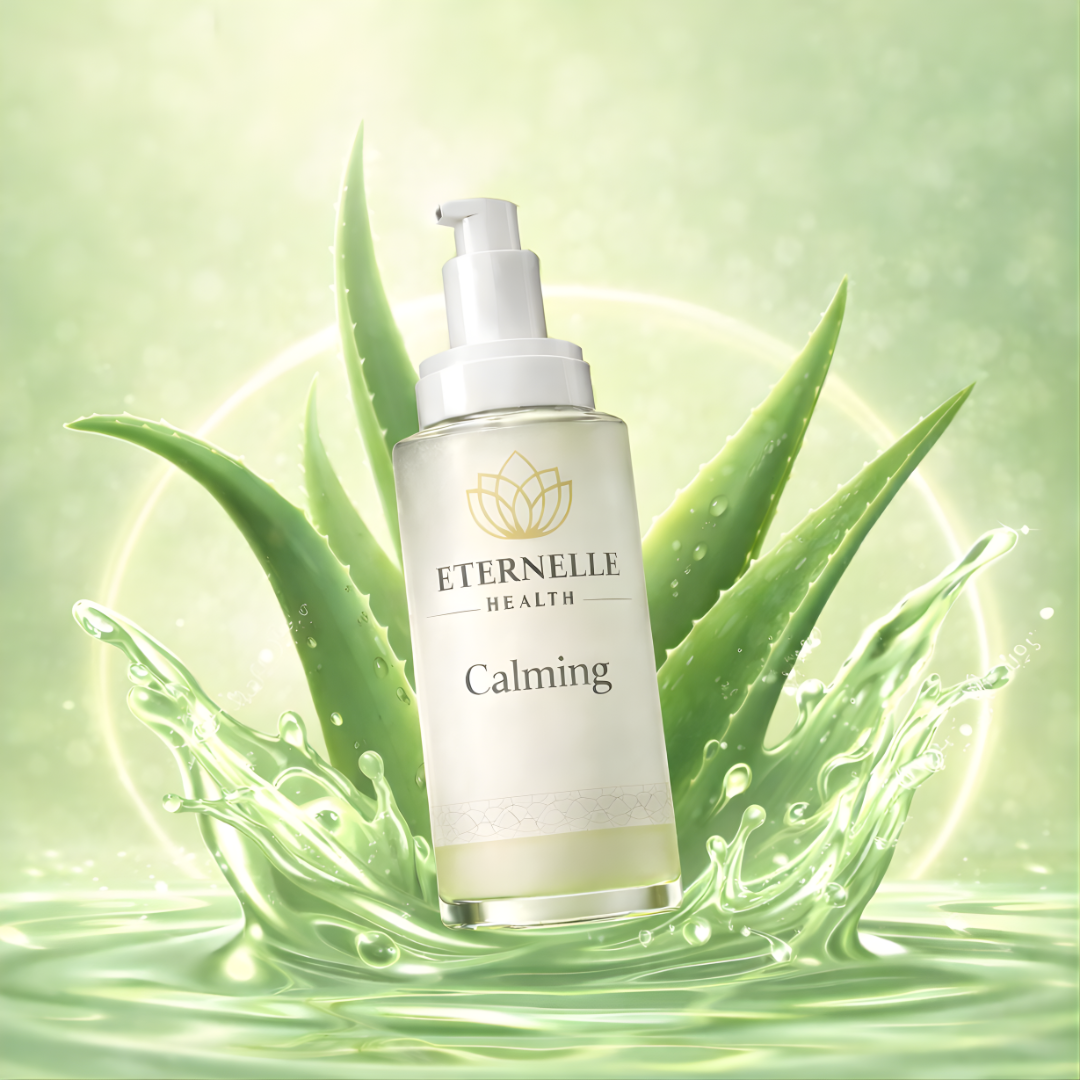
Calming

Ideal for

  • Rosacea-prone skin
  • Inflammatory bumps
  • Persistent redness

Rosacea

Calming

Azelaic Acid / Ivermectin / Metronidazole / Niacinamide

Price range: $154.00 through $299.00

Calming brings together three ingredients commonly associated with rosacea care—azelaic acid, ivermectin, and metronidazole—in a single topical formula with niacinamide. Designed for skin affected by rosacea-related redness, inflammation, and blemish-like bumps, it provides a multi-ingredient approach while niacinamide helps support the skin barrier. Our healthcare provider will determine whether this combination is appropriate for your rosacea symptoms and skin needs.

  • Rosacea-Focused Care – Combines three active ingredients with established roles in the management of rosacea-related inflammatory lesions.
  • Addresses Bumps + Inflammation – The formula is particularly relevant to the papules and pustules that can accompany rosacea.
  • Helps Manage Visible Redness – By addressing inflammatory activity associated with rosacea, treatment may help improve redness related to inflammation, although persistent facial redness may require other approaches.
  • Barrier Support for Sensitive Skin – Niacinamide helps maintain moisture and skin-barrier function alongside the rosacea-focused ingredients.
  • Azelaic Acid has anti-inflammatory and antimicrobial properties and is used topically in rosacea care, particularly for inflammatory bumps and lesions.
  • Ivermectin has anti-inflammatory and antiparasitic activity and is an established topical treatment ingredient for inflammatory lesions associated with rosacea.
  • Metronidazole is an antimicrobial medication with anti-inflammatory properties that has long been used topically in the management of rosacea.
  • Niacinamide supports skin-barrier function and moisture retention, which can be especially useful when caring for sensitive or easily irritated skin.
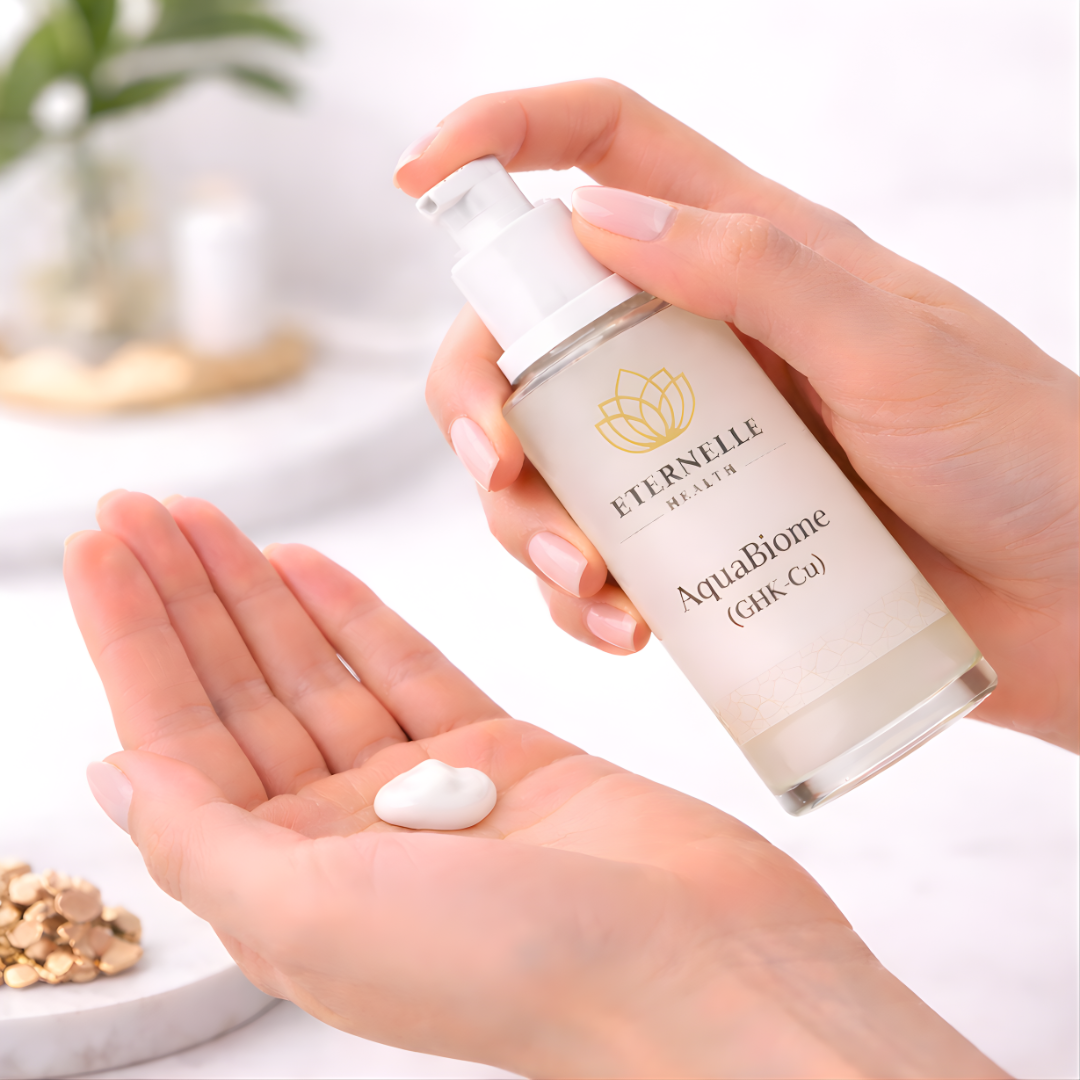
  • Gently apply a thin layer of Calming to the rosacea-affected areas once or twice daily, based on the regimen prescribed by our healthcare provider. Use on clean, dry skin and avoid the eyes, lips, and inside of the nose. Avoid aggressive rubbing or scrubbing during application, particularly when the skin is sensitive or irritated.

Q: What type of rosacea concerns is Calming intended for?
A: Calming is particularly focused on rosacea involving inflammatory bumps, pustules, and accompanying redness. Rosacea can appear differently from person to person, so our healthcare provider will determine whether this formulation matches your symptoms.

Q: Why are ivermectin and metronidazole both included?
A: They have different pharmacologic properties but are both used in rosacea care. Ivermectin has anti-inflammatory and antiparasitic activity, while metronidazole provides antimicrobial and anti-inflammatory activity.

Q: Will Calming completely remove facial redness?
A: Not necessarily. Redness caused partly by inflammation may improve as rosacea is managed, but persistent redness and visible blood vessels can have different underlying mechanisms and may require other treatment approaches.

Q: What role does azelaic acid play?
A: Azelaic acid provides anti-inflammatory activity and is used in rosacea treatment, particularly for inflammatory papules and pustules. It can also influence pigmentation, which may be relevant when inflammation leaves uneven-looking skin tone.

Q: Why is niacinamide included if the other ingredients treat rosacea?
A: Rosacea-prone skin can also be sensitive and have barrier concerns. Niacinamide helps support barrier function and moisture retention without being presented as the primary medication treating rosacea.

Q: When should treatment be reassessed?
A: An initial period of approximately 8–12 weeks may be used to evaluate changes in inflammatory lesions, redness, and skin tolerance. Our healthcare provider can then determine whether continued or modified treatment is appropriate.

  1. Feng, X. (2024). Azelaic Acid: Mechanisms of Action and Clinical Applications. PMC.
  2. King, S. (2023). A systematic review to evaluate the efficacy of azelaic acid in acne, rosacea, melasma, and skin aging. Journal of Cosmetic Dermatology.
  3. Fyrand, O. (1999). Double‑blind comparison of azelaic acid 20% cream vs. vehicle in the treatment of papulopustular rosacea. Acta Derm Venereol, 79, 456–459.
  4. Ebbelaar, C. C. F. (2018). Topical ivermectin in the treatment of papulopustular rosacea. PMC.
  5. Schaller, M., et al. (2016). Superior Efficacy with Ivermectin 1% Cream Compared to Metronidazole 0.75% Cream. PMC.
  6. Siddiqui, K., et al. (2016). The efficacy, safety, and tolerability of ivermectin compared with other topical treatments: a network meta-analysis. SpringerPlus, 5.
  7. Yeh, M. C. H., et al. (2022). Topical Metronidazole Versus Ivermectin… A Split‑face Study. Acta Dermato‑Venereologica (Medical Journals Sweden).

A medical intake form is required prior to receiving a prescription. A licensed healthcare provider will review it and determine your eligibility for this product. Click the Get Started button to fill up your intake form.​

Related Products

Want to Know More About Our Products?

Eternelle - Health and Wellness

Orange County, CA
(Virtual Services Nationwide)

(949) 990-4490

hello@eternellehealth.com

Book Your Consultation

Oops! We could not locate your form.

Eternelle - Health and Wellness

Orange County, CA
(Virtual Services Nationwide)

(949) 990-4490

hello@eternellehealth.com

Start your wellness journey