Q: What type of acne is Spironolactone Cream intended for?
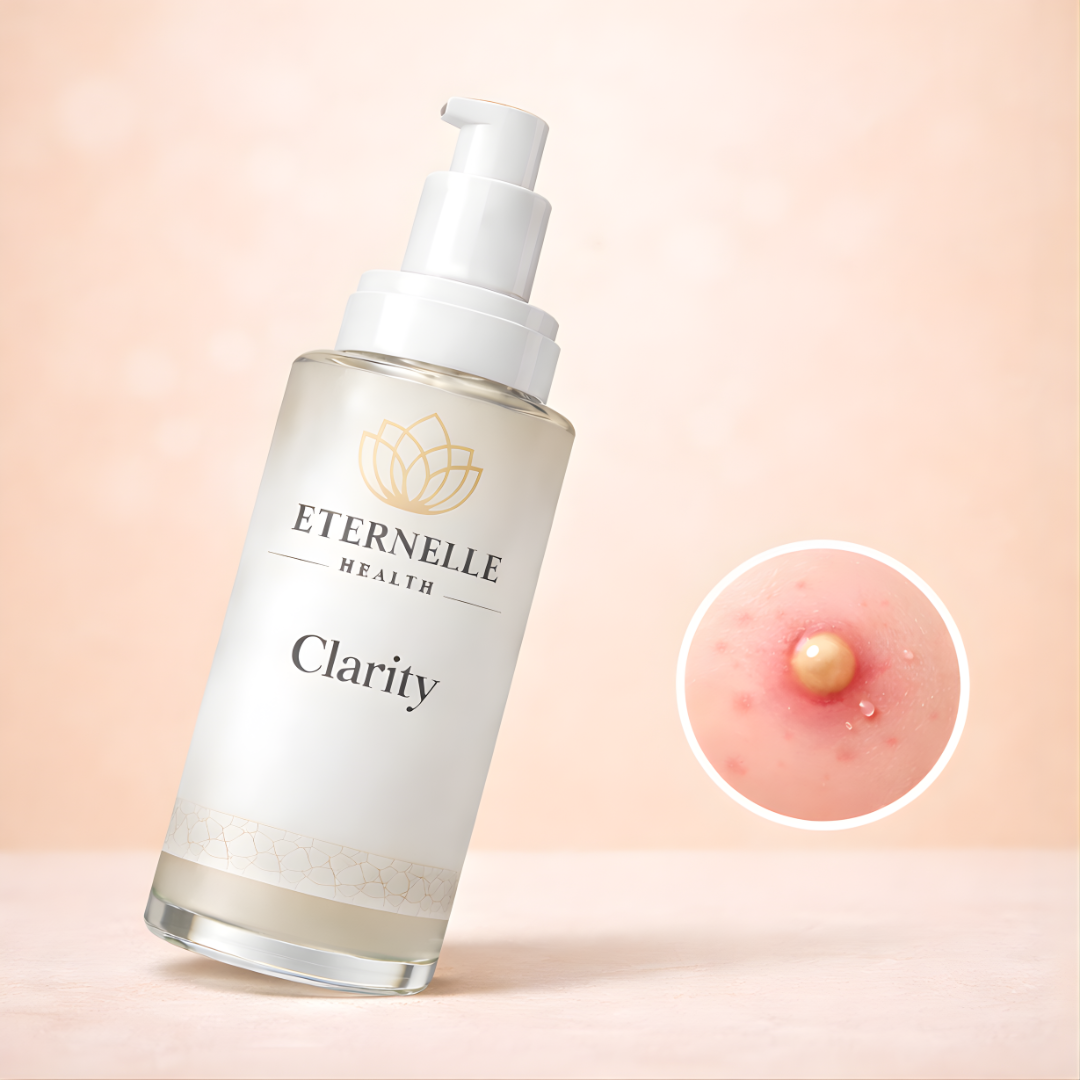
A: It may be considered when breakouts appear to have a hormonal or androgen-related component. Our healthcare provider will evaluate your acne pattern and health information before recommending treatment.
Q: How is topical different from oral spironolactone?
A: One is applied directly to the skin and the other is taken systemically by mouth. They should not be considered interchangeable, and their dosing, absorption, evidence, and potential risks differ.
Q: Where should I apply the cream?
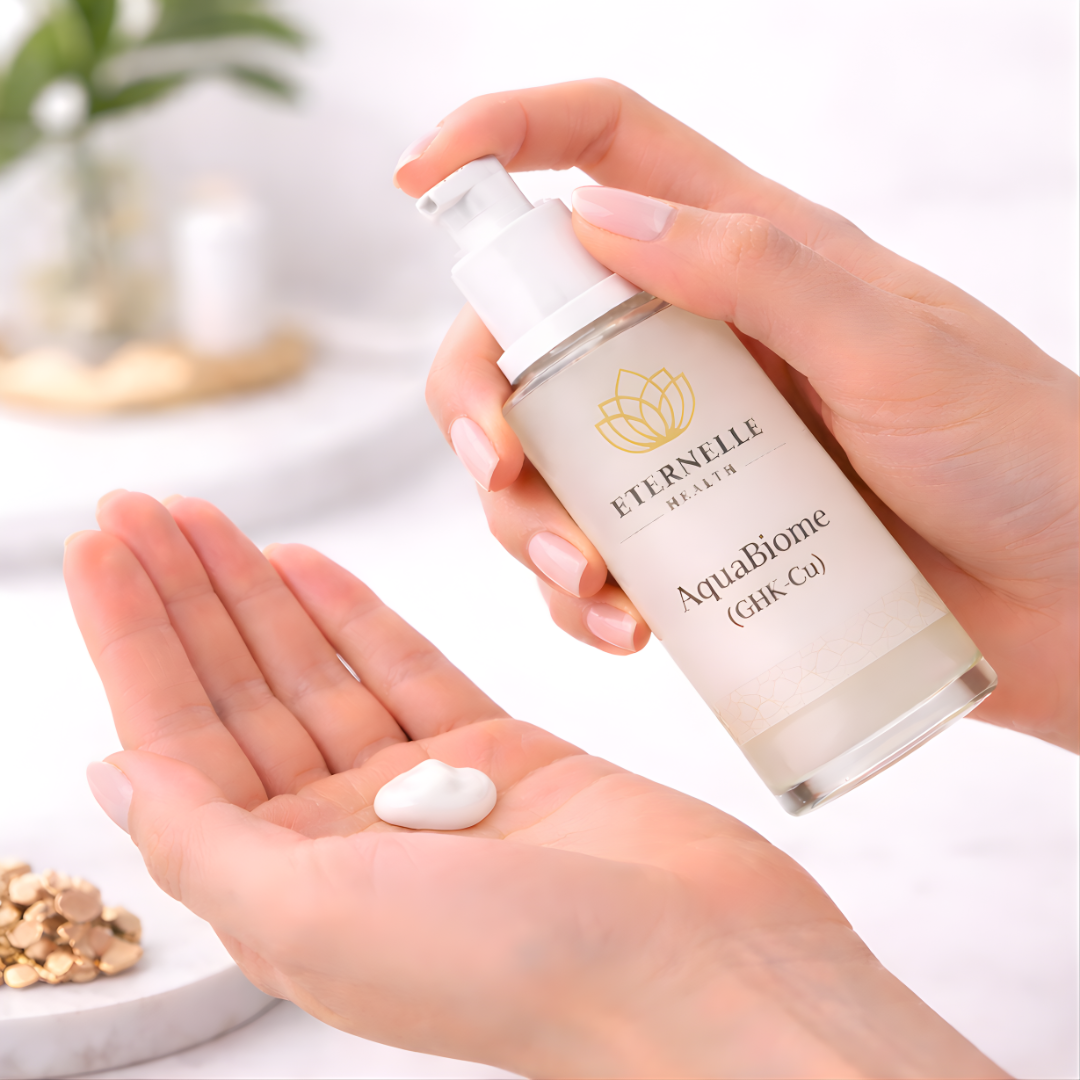
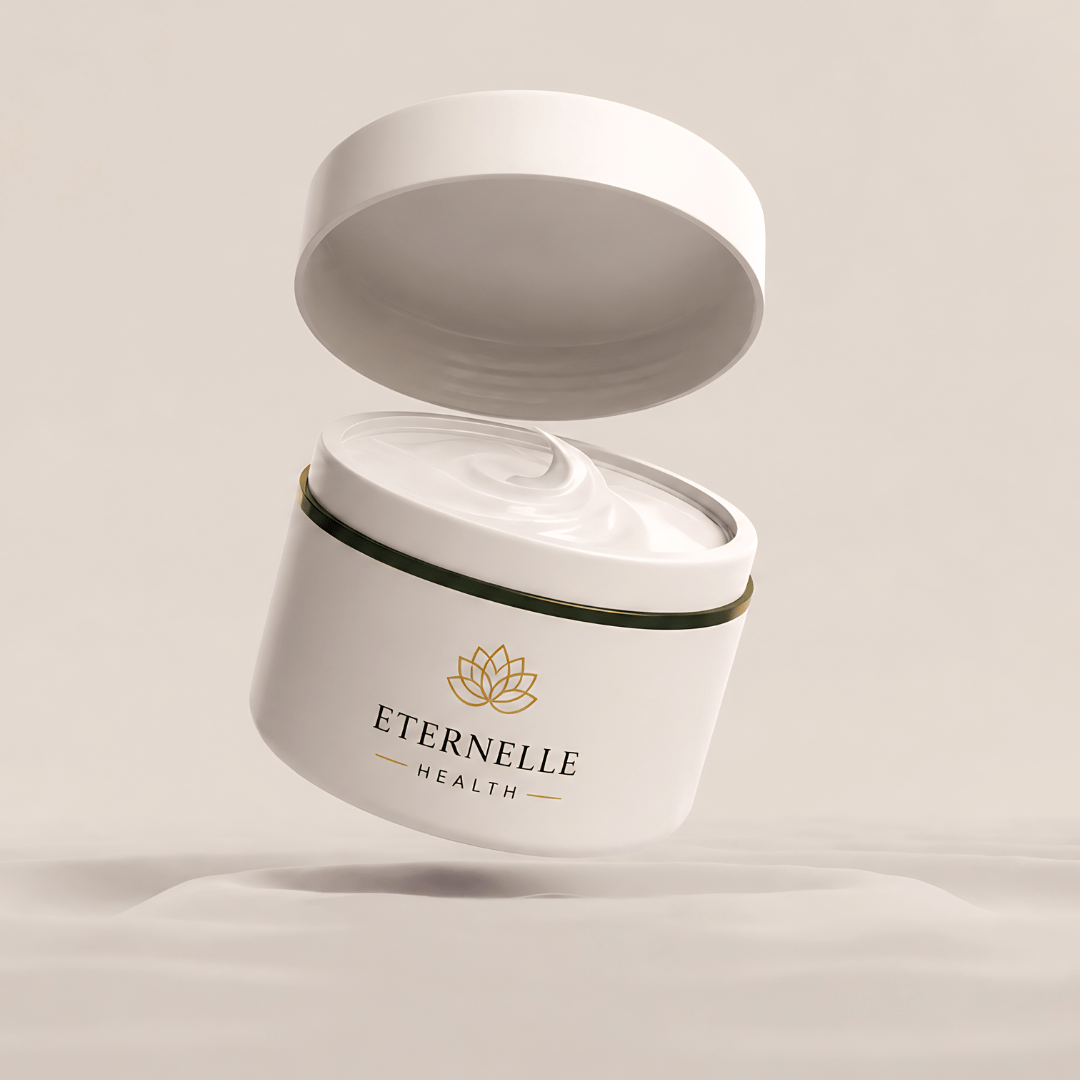
A: Apply a thin layer to the areas identified in your treatment plan rather than using more product than prescribed. Frequency is generally once or twice daily based on our healthcare provider’s instructions.
Q: When should my treatment be reassessed?
A: Acne treatment typically requires time to evaluate. Our healthcare provider may review your progress after approximately 8–12 weeks and decide whether continued or adjusted treatment is appropriate.
Q: Can Spironolactone Cream cause side effects?
A: Topical treatment may cause local reactions such as dryness, redness, or irritation. Because spironolactone has anti-androgenic activity, our healthcare provider will also review relevant medical considerations before prescribing it.